JAM Enterprise · Selective Demolition Division
Selective demolition planned around what stays
JAM defines removal limits, access, protection, hauling, disposal, and turnover so follow-on trades receive a clean, coordinated work area.
Send the PlansIncluded capabilities
A package built for clear bid leveling
Every proposal defines what is included, what is excluded, and which conditions or interfaces need clarification before award.
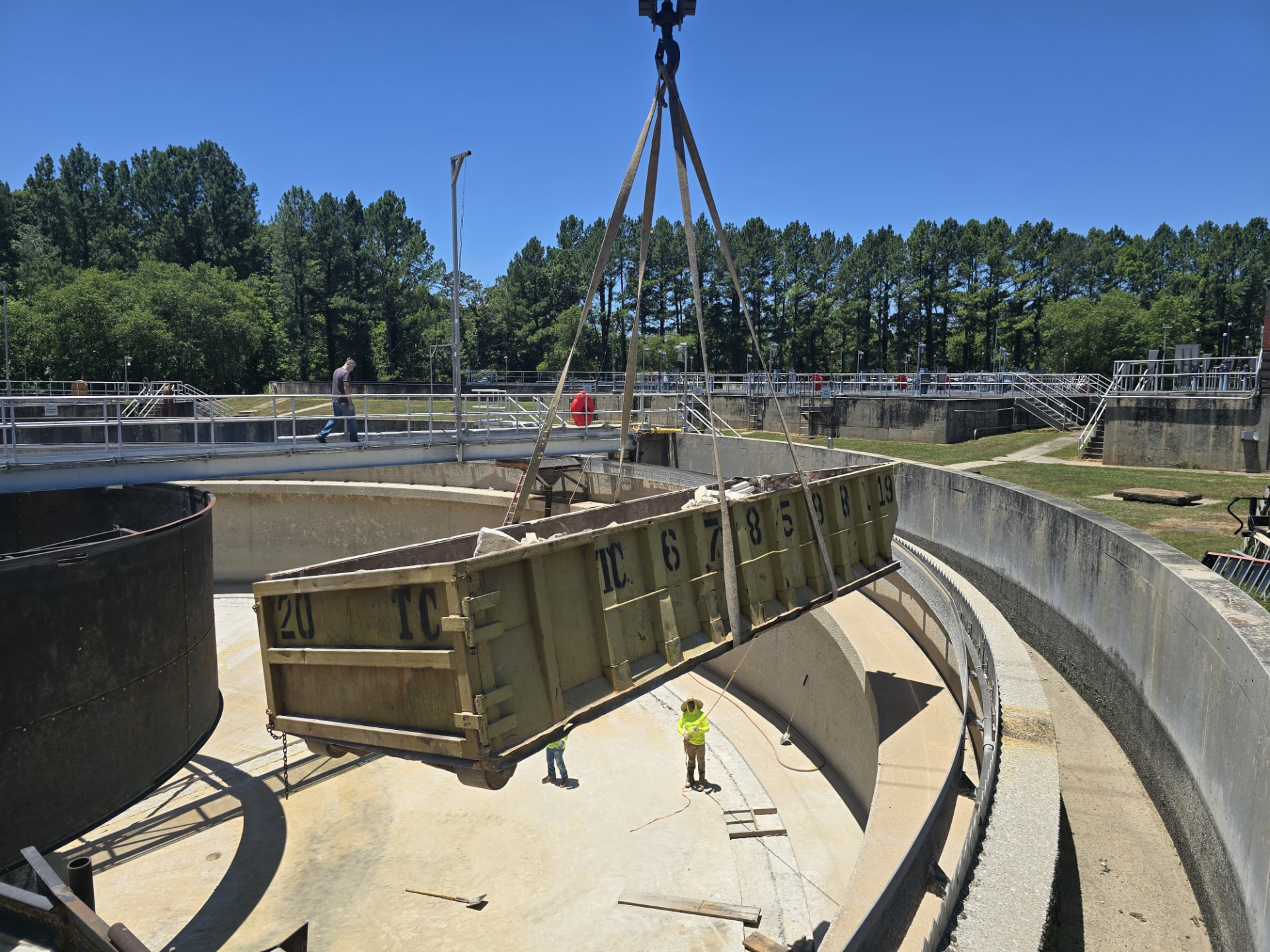
Selective demolition
Sawcutting and controlled breaking
Concrete and asphalt removal
Interior and exterior tear-outs
Slab, wall and foundation removal
Material handling
Hauling and lawful disposal
Cleanup and turnover
What JAM reviews before pricing
- Demolition plans, notes and limits
- Existing-condition information
- Items to remain, salvage or protect
- Utility isolation and hazardous-material responsibilities
- Access, equipment and occupied-area constraints
- Haul routes, disposal and turnover requirements
Interfaces that affect execution
- Limits between demolition and new work
- Protection of active operations and adjacent finishes
- Temporary access and barricades
- Structural sequencing and engineered requirements
- Debris handling and haul paths
- Condition of substrate delivered to follow-on trades
Scope questions
Answers for preconstruction teams
- How does JAM define selective-demolition limits?
- JAM reviews demolition drawings, notes, existing conditions, and new-work interfaces. The proposal identifies included removals, protection assumptions, hauling, disposal, and turnover.
- Can JAM work around active facilities?
- JAM reviews occupied and active-site constraints project by project, including access, protection, noise, dust, equipment, and sequencing requirements.
- Are hauling and cleanup included?
- When included, hauling, lawful disposal, and cleanup are stated in the proposal. Any owner- or GC-provided dumpsters, routes, or disposal requirements are identified before award.
A bid you can level. A plan the field can execute.